Environmental sustainability is becoming an increasingly important focus in Moscow, especially in the realm of business and construction. Green building standards play a key role in promoting environmental sustainability by reducing the impact of buildings on the environment and promoting the health and well-being of occupants. In Moscow, there is a growing emphasis on incorporating green building practices into construction projects to create more sustainable and eco-friendly structures.
Category : Environmental sustainability in Moscow business | Sub Category : Green building standards in Moscow Posted on 2025-02-02 21:24:53
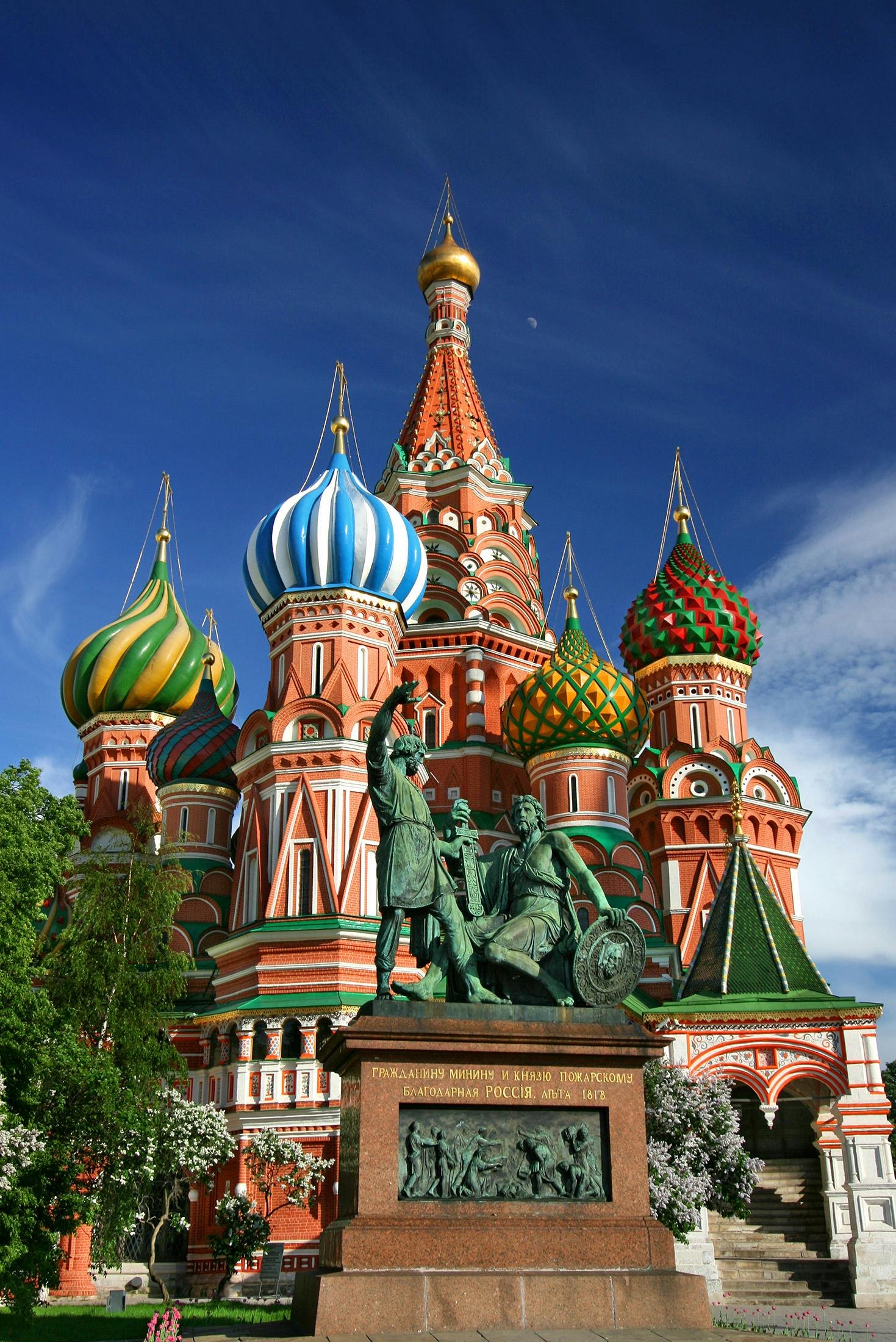
Environmental sustainability is becoming an increasingly important focus in Moscow, especially in the realm of business and construction. Green building standards play a key role in promoting environmental sustainability by reducing the impact of buildings on the environment and promoting the health and well-being of occupants. In Moscow, there is a growing emphasis on incorporating green building practices into construction projects to create more sustainable and eco-friendly structures.
Green building standards in Moscow aim to address various aspects of sustainability, including energy efficiency, water conservation, waste reduction, and indoor air quality. By implementing green building practices, businesses in Moscow can not only reduce their environmental footprint but also lower operating costs and enhance the overall quality of their buildings.
One important aspect of green building standards in Moscow is energy efficiency. Buildings account for a significant portion of energy consumption in urban areas, and implementing energy-efficient practices can help reduce greenhouse gas emissions and combat climate change. In Moscow, businesses are encouraged to use energy-efficient building materials, install energy-efficient lighting and HVAC systems, and incorporate renewable energy sources such as solar panels to reduce their energy consumption and environmental impact.
Water conservation is another crucial component of green building standards in Moscow. By implementing water-saving technologies such as low-flow fixtures, rainwater harvesting systems, and drought-resistant landscaping, businesses can reduce their water usage and alleviate pressure on local water resources. This not only benefits the environment but also helps businesses save on water costs in the long run.
Waste reduction is also a key focus of green building standards in Moscow. By implementing recycling programs, using recycled materials in construction, and reducing construction waste, businesses can minimize the amount of waste sent to landfills and promote a circular economy. This not only helps conserve natural resources but also reduces the environmental impact of waste disposal.
Indoor air quality is another important consideration in green building standards in Moscow. Poor indoor air quality can have a detrimental impact on occupant health and well-being, leading to respiratory issues and other health problems. By using non-toxic building materials, providing adequate ventilation, and implementing air quality monitoring systems, businesses can create healthier indoor environments for their employees and customers.
In conclusion, green building standards play a vital role in promoting environmental sustainability in Moscow businesses. By incorporating energy-efficient practices, water conservation measures, waste reduction strategies, and indoor air quality improvements, businesses in Moscow can reduce their environmental impact, lower operating costs, and create healthier and more sustainable buildings. By embracing green building standards, businesses in Moscow can contribute to a more sustainable future for the city and the planet as a whole.
Leave a Comment:
SEARCH
Recent News
- Zurich, Switzerland, is a popular destination for Russian expatriates looking to benefit from the city's high quality of life, economic stability, and well-developed infrastructure. However, relocating to Zurich from Russia means navigating the complexities of both Swiss and Russian taxation systems.
- Zurich, Switzerland has long been known for its exceptional quality of life, beautiful surroundings, and high standard of healthcare. In contrast, the Russian healthcare system has faced various challenges and struggles over the years. Let's delve into the differences between the healthcare systems in Zurich, Switzerland, and Russia.
- Zurich, Switzerland is known for its picturesque landscapes, thriving financial sector, and strategic location in Europe. Lately, the city has been making headlines for its involvement in Russian energy deals. These deals have sparked controversy and drawn attention from various stakeholders around the world.
- Zurich, Switzerland, is renowned for its picturesque landscapes, vibrant culture, and thriving economy. However, thousands of kilometers away in Russia, agriculture plays a crucial role in the country's economy and food production.
- Zurich, Switzerland and Moscow, Russia may be miles apart geographically, but they are both major players in the world of venture capital. In recent years, both cities have seen a surge in the number of venture capital firms operating within their borders, drawing in startups and investors from around the globe.
- Zurich, Switzerland and Moscow, Russia may seem like two very distant cities with different cultures and characteristics, but when it comes to startups, they share some common ground. Both cities have been steadily growing their startup ecosystems, attracting entrepreneurs, investors, and tech talent from around the world.
- Zurich, Switzerland and Moscow, Russia: A Comparison of Job Markets
- Zurich, Switzerland, and Moscow, Russia, are two cosmopolitan cities that offer unique opportunities for investment. Both cities have thriving economies and are attractive destinations for business ventures. Here, we will look at why investing in Zurich and Moscow can be a lucrative option for investors looking to diversify their portfolios.
READ MORE
7 months ago Category :

Zurich, Switzerland, is a popular destination for Russian expatriates looking to benefit from the city's high quality of life, economic stability, and well-developed infrastructure. However, relocating to Zurich from Russia means navigating the complexities of both Swiss and Russian taxation systems.
Read More →7 months ago Category :

Zurich, Switzerland has long been known for its exceptional quality of life, beautiful surroundings, and high standard of healthcare. In contrast, the Russian healthcare system has faced various challenges and struggles over the years. Let's delve into the differences between the healthcare systems in Zurich, Switzerland, and Russia.
Read More →7 months ago Category :

Zurich, Switzerland is known for its picturesque landscapes, thriving financial sector, and strategic location in Europe. Lately, the city has been making headlines for its involvement in Russian energy deals. These deals have sparked controversy and drawn attention from various stakeholders around the world.
Read More →7 months ago Category :
