Moscow's Role in Russia's Geopolitical Influence and Political Ties with Neighboring Countries
Category : Moscow role in Russia geopolitical influence | Sub Category : Moscow political ties with neighboring countries Posted on 2025-02-02 21:24:53
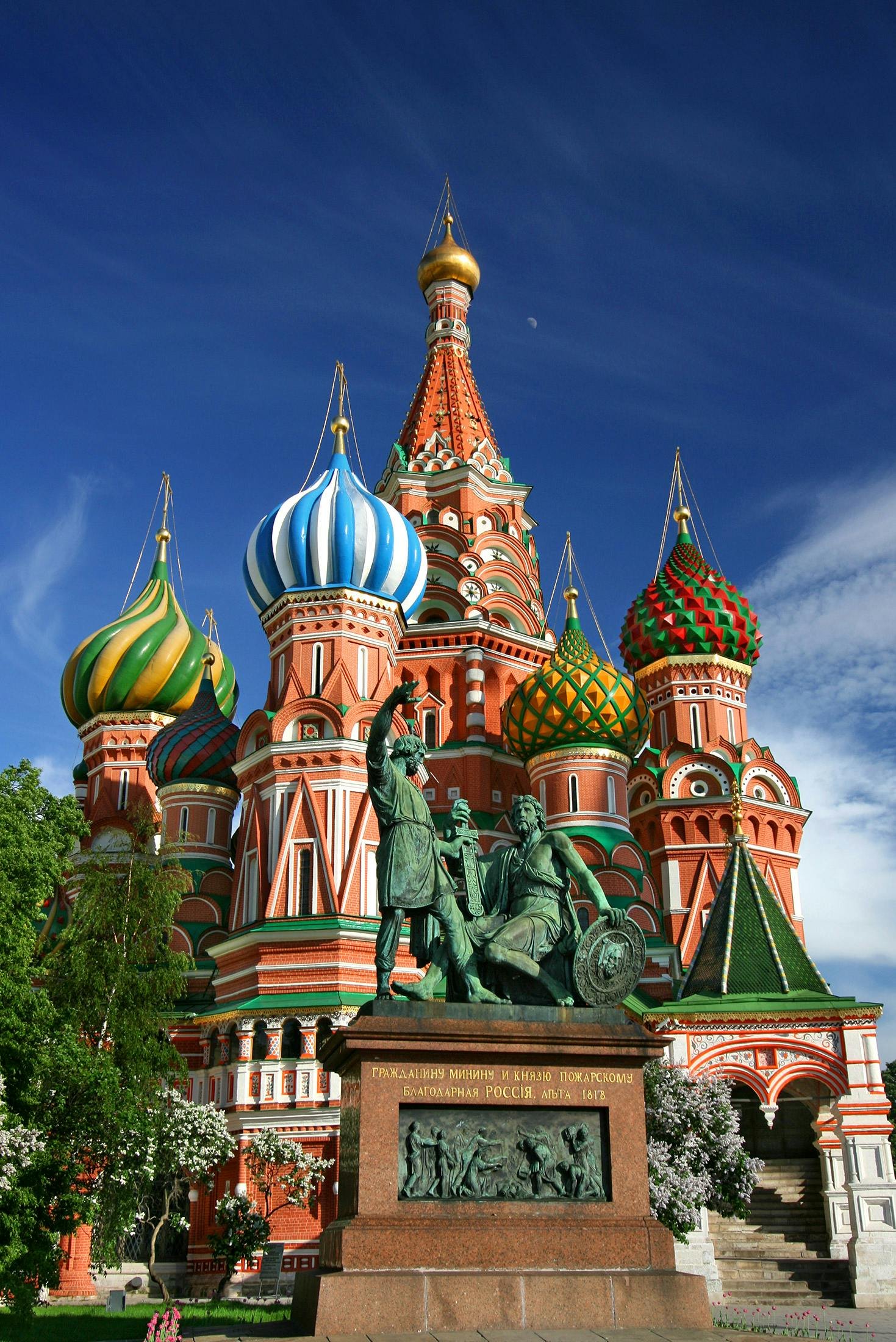
Moscow's Role in Russia's Geopolitical Influence and Political Ties with Neighboring Countries
Moscow, as the capital of Russia, plays a crucial role in shaping the country's geopolitical influence and maintaining political ties with its neighboring nations. With its rich history and strategic location, Moscow has been a key player in the region's political landscape for centuries.
One of the ways Moscow exerts its geopolitical influence is through its foreign policy decisions. Russia's foreign policy is guided by its national interests, which often include maintaining stability in the region, protecting its borders, and asserting itself as a global power. Moscow's diplomatic efforts with neighboring countries are important in achieving these goals.
Moscow's political ties with neighboring countries are complex and multifaceted. On one hand, Russia shares close historical, cultural, and economic ties with some of its neighbors, such as Belarus, Kazakhstan, and Armenia. These countries are members of various regional organizations like the Eurasian Economic Union and the Collective Security Treaty Organization, which were established to promote cooperation and integration among former Soviet states.
On the other hand, Moscow's relations with other neighboring countries, such as Ukraine, Georgia, and the Baltic states, have been more strained. Tensions have arisen due to historical conflicts, territorial disputes, and diverging political interests. The annexation of Crimea by Russia in 2014 and the ongoing conflict in Eastern Ukraine have further strained Moscow's relations with these countries and have led to increased mistrust and animosity.
Despite these challenges, Moscow continues to play a significant role in shaping the geopolitics of the region through its political, economic, and military influence. The Kremlin's ability to navigate complex diplomatic relations with its neighbors while pursuing its national interests is a testament to Moscow's importance in the region.
In conclusion, Moscow's role in Russia's geopolitical influence and political ties with neighboring countries is a dynamic and evolving aspect of the country's foreign policy. As tensions and alliances shift in the region, Moscow's strategic decisions will continue to impact the political landscape of Eurasia for years to come.
Leave a Comment:
SEARCH
Recent News
- Zurich, Switzerland, is a popular destination for Russian expatriates looking to benefit from the city's high quality of life, economic stability, and well-developed infrastructure. However, relocating to Zurich from Russia means navigating the complexities of both Swiss and Russian taxation systems.
- Zurich, Switzerland has long been known for its exceptional quality of life, beautiful surroundings, and high standard of healthcare. In contrast, the Russian healthcare system has faced various challenges and struggles over the years. Let's delve into the differences between the healthcare systems in Zurich, Switzerland, and Russia.
- Zurich, Switzerland is known for its picturesque landscapes, thriving financial sector, and strategic location in Europe. Lately, the city has been making headlines for its involvement in Russian energy deals. These deals have sparked controversy and drawn attention from various stakeholders around the world.
- Zurich, Switzerland, is renowned for its picturesque landscapes, vibrant culture, and thriving economy. However, thousands of kilometers away in Russia, agriculture plays a crucial role in the country's economy and food production.
- Zurich, Switzerland and Moscow, Russia may be miles apart geographically, but they are both major players in the world of venture capital. In recent years, both cities have seen a surge in the number of venture capital firms operating within their borders, drawing in startups and investors from around the globe.
- Zurich, Switzerland and Moscow, Russia may seem like two very distant cities with different cultures and characteristics, but when it comes to startups, they share some common ground. Both cities have been steadily growing their startup ecosystems, attracting entrepreneurs, investors, and tech talent from around the world.
- Zurich, Switzerland and Moscow, Russia: A Comparison of Job Markets
- Zurich, Switzerland, and Moscow, Russia, are two cosmopolitan cities that offer unique opportunities for investment. Both cities have thriving economies and are attractive destinations for business ventures. Here, we will look at why investing in Zurich and Moscow can be a lucrative option for investors looking to diversify their portfolios.
READ MORE
7 months ago Category :

Zurich, Switzerland, is a popular destination for Russian expatriates looking to benefit from the city's high quality of life, economic stability, and well-developed infrastructure. However, relocating to Zurich from Russia means navigating the complexities of both Swiss and Russian taxation systems.
Read More →7 months ago Category :

Zurich, Switzerland has long been known for its exceptional quality of life, beautiful surroundings, and high standard of healthcare. In contrast, the Russian healthcare system has faced various challenges and struggles over the years. Let's delve into the differences between the healthcare systems in Zurich, Switzerland, and Russia.
Read More →7 months ago Category :

Zurich, Switzerland is known for its picturesque landscapes, thriving financial sector, and strategic location in Europe. Lately, the city has been making headlines for its involvement in Russian energy deals. These deals have sparked controversy and drawn attention from various stakeholders around the world.
Read More →7 months ago Category :
