The Moscow government has long maintained a strict stance on foreign media and business operating within its borders. This approach is rooted in national security concerns and a desire to protect domestic industries from outside competition. However, these restrictions have significant implications for international trade and business relations.
Category : Moscow stance on foreign media and business | Sub Category : How Moscow foreign business restrictions impact international trade Posted on 2025-02-02 21:24:53
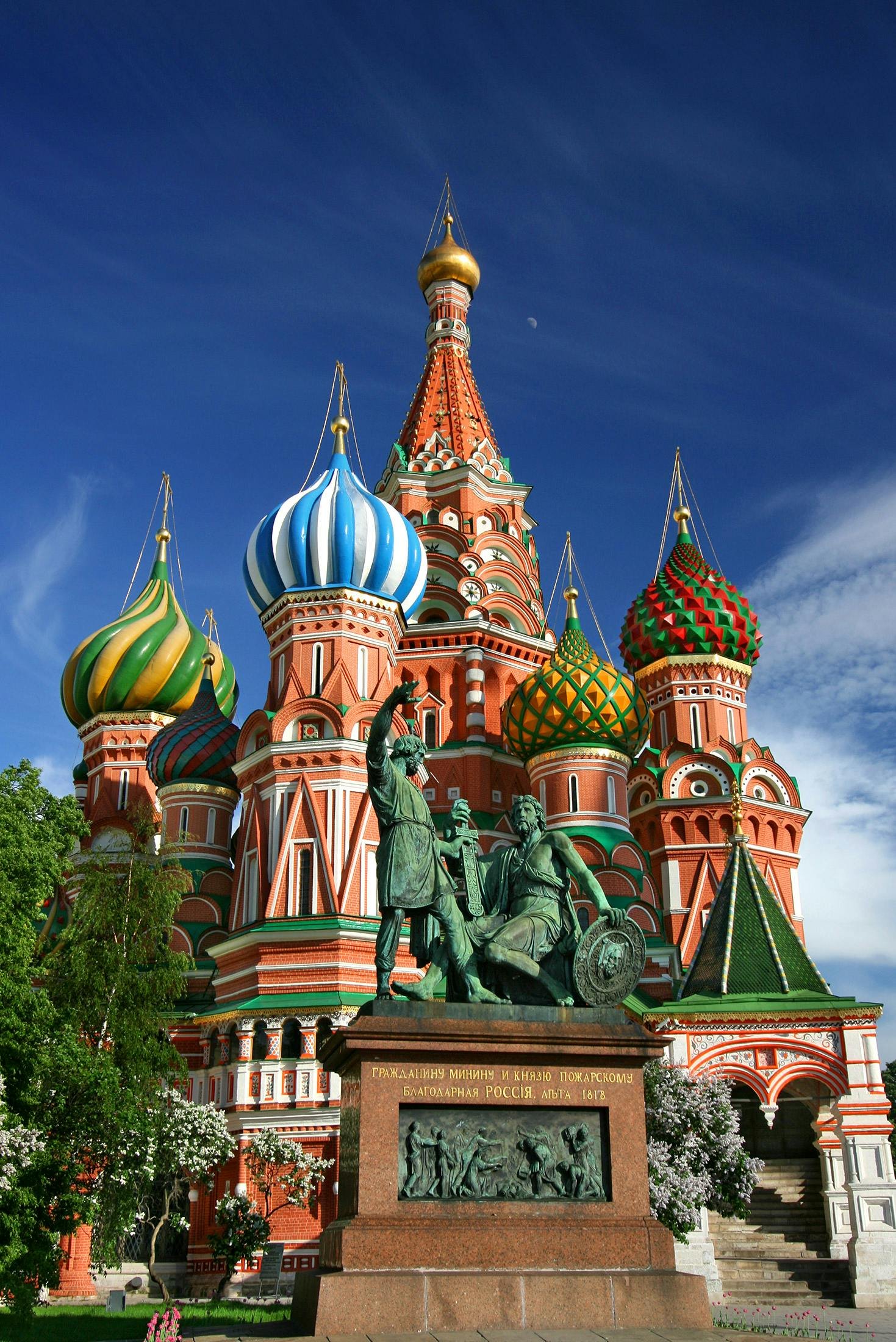
The Moscow government has long maintained a strict stance on foreign media and business operating within its borders. This approach is rooted in national security concerns and a desire to protect domestic industries from outside competition. However, these restrictions have significant implications for international trade and business relations.
One key aspect of Moscow's restrictions on foreign media is the requirement for outlets to register as foreign agents if they receive funding from abroad. This designation subjects these media organizations to increased scrutiny and reporting requirements, which can hinder their ability to operate freely and independently. This, in turn, limits the flow of information and diversity of perspectives available to the Russian public.
On the business front, Moscow imposes various restrictions on foreign companies operating in the country, particularly in strategic sectors such as energy, defense, and telecommunications. These restrictions can include limits on foreign ownership stakes, requirements for local partners or agents, and restrictions on the types of services that foreign companies can provide. These barriers can make it challenging for foreign businesses to enter the Russian market and compete on equal footing with domestic companies.
The impact of Moscow's foreign business restrictions on international trade is significant. These restrictions limit the ability of foreign companies to access the Russian market, which is the largest in Eastern Europe and a key player in global trade. This not only hampers foreign companies' growth and profitability but also limits consumer choice and economic development in Russia.
Furthermore, Moscow's restrictions on foreign media and business can strain diplomatic relations with other countries. Trade disputes and barriers often lead to tensions between nations, as each seeks to protect its interests and assert its influence. This can result in retaliatory measures, further limiting opportunities for international trade and cooperation.
In conclusion, Moscow's stance on foreign media and business has far-reaching implications for international trade and business relations. The restrictions placed on foreign entities can hinder their ability to operate in Russia, limiting economic opportunities and straining diplomatic relations. Finding a balance between national security concerns and fostering a vibrant and open global economy remains a challenge for Moscow as it navigates its position in the international arena.
Leave a Comment:
SEARCH
Recent News
- Zurich, Switzerland, is a popular destination for Russian expatriates looking to benefit from the city's high quality of life, economic stability, and well-developed infrastructure. However, relocating to Zurich from Russia means navigating the complexities of both Swiss and Russian taxation systems.
- Zurich, Switzerland has long been known for its exceptional quality of life, beautiful surroundings, and high standard of healthcare. In contrast, the Russian healthcare system has faced various challenges and struggles over the years. Let's delve into the differences between the healthcare systems in Zurich, Switzerland, and Russia.
- Zurich, Switzerland is known for its picturesque landscapes, thriving financial sector, and strategic location in Europe. Lately, the city has been making headlines for its involvement in Russian energy deals. These deals have sparked controversy and drawn attention from various stakeholders around the world.
- Zurich, Switzerland, is renowned for its picturesque landscapes, vibrant culture, and thriving economy. However, thousands of kilometers away in Russia, agriculture plays a crucial role in the country's economy and food production.
- Zurich, Switzerland and Moscow, Russia may be miles apart geographically, but they are both major players in the world of venture capital. In recent years, both cities have seen a surge in the number of venture capital firms operating within their borders, drawing in startups and investors from around the globe.
- Zurich, Switzerland and Moscow, Russia may seem like two very distant cities with different cultures and characteristics, but when it comes to startups, they share some common ground. Both cities have been steadily growing their startup ecosystems, attracting entrepreneurs, investors, and tech talent from around the world.
- Zurich, Switzerland and Moscow, Russia: A Comparison of Job Markets
- Zurich, Switzerland, and Moscow, Russia, are two cosmopolitan cities that offer unique opportunities for investment. Both cities have thriving economies and are attractive destinations for business ventures. Here, we will look at why investing in Zurich and Moscow can be a lucrative option for investors looking to diversify their portfolios.
READ MORE
7 months ago Category :

Zurich, Switzerland, is a popular destination for Russian expatriates looking to benefit from the city's high quality of life, economic stability, and well-developed infrastructure. However, relocating to Zurich from Russia means navigating the complexities of both Swiss and Russian taxation systems.
Read More →7 months ago Category :

Zurich, Switzerland has long been known for its exceptional quality of life, beautiful surroundings, and high standard of healthcare. In contrast, the Russian healthcare system has faced various challenges and struggles over the years. Let's delve into the differences between the healthcare systems in Zurich, Switzerland, and Russia.
Read More →7 months ago Category :

Zurich, Switzerland is known for its picturesque landscapes, thriving financial sector, and strategic location in Europe. Lately, the city has been making headlines for its involvement in Russian energy deals. These deals have sparked controversy and drawn attention from various stakeholders around the world.
Read More →7 months ago Category :
