Political Risks for Businesses in Moscow: Navigating Political Instability and Business Risks
Category : Political risks for businesses in Moscow | Sub Category : Political instability and business risks in Moscow Posted on 2025-02-02 21:24:53
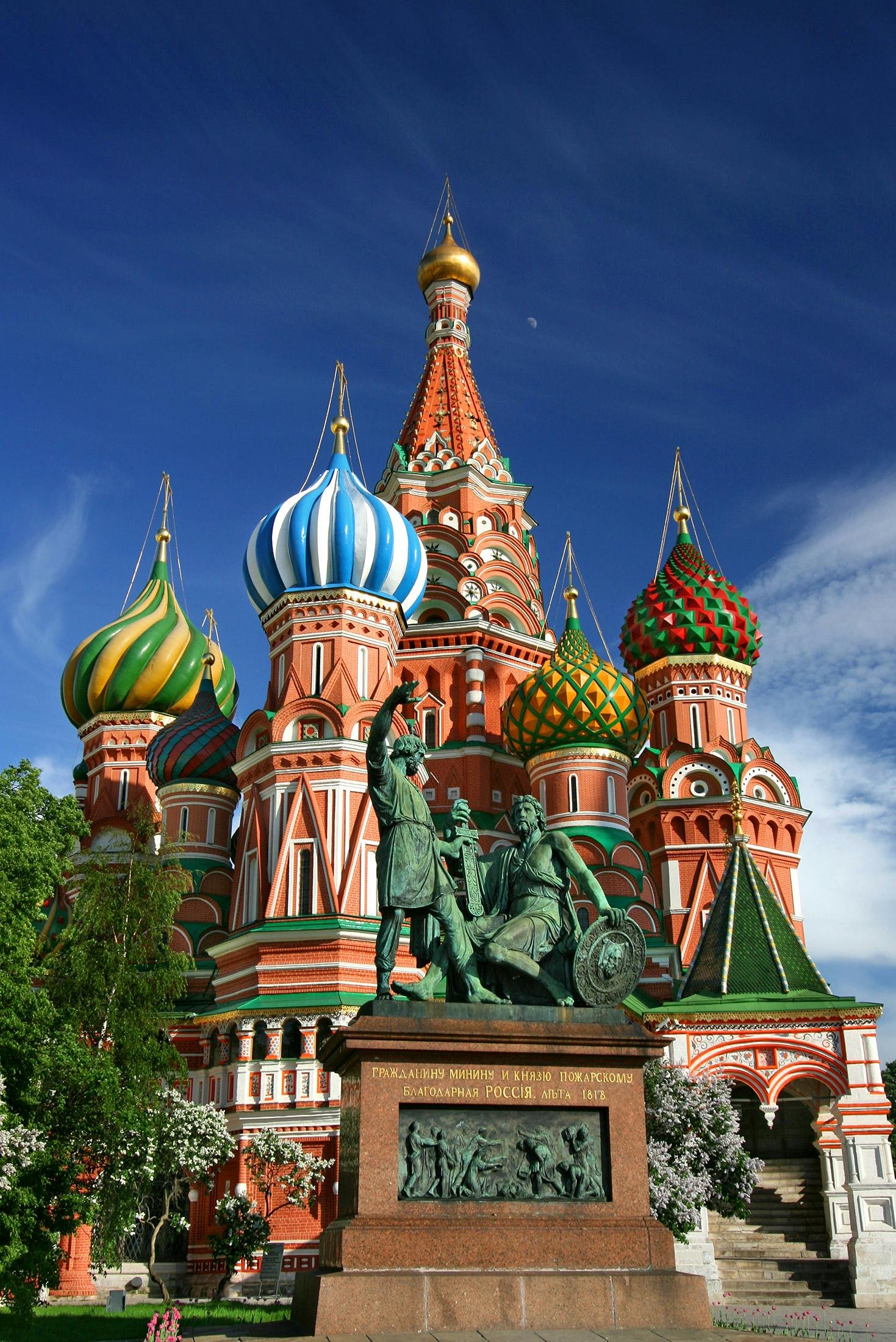
Political Risks for Businesses in Moscow: Navigating Political Instability and Business Risks
Moscow, the vibrant capital city of Russia, is a hub for businesses and a center for economic activities. However, amid its bustling atmosphere lies a web of political risks that businesses must navigate to thrive in this competitive environment. Political instability in Moscow can pose significant challenges and uncertainties for businesses operating in the region, making it crucial for them to understand and mitigate these risks effectively.
One of the primary political risks for businesses in Moscow is the ever-changing regulatory environment. The Russian government has been known to implement sudden policy changes and regulations that can significantly impact businesses' operations. These changes can range from tax reforms to restrictions on foreign investment, creating a sense of uncertainty for businesses and making long-term planning a challenging task.
Furthermore, political instability in Moscow can also manifest in the form of geopolitical tensions. Russia's involvement in international affairs can have ripple effects on businesses operating in the region, especially those with ties to foreign countries. Geopolitical conflicts and sanctions can disrupt supply chains, impact trade agreements, and create a hostile business environment for foreign companies.
Another key aspect of political risks for businesses in Moscow is corruption. Russia has been plagued by corruption for years, and businesses operating in the region must navigate this challenging landscape. Bribery, kickbacks, and unfair business practices can be commonplace, posing ethical dilemmas for companies and exposing them to legal risks.
To effectively manage political risks in Moscow, businesses must adopt a proactive approach. Investing in thorough risk assessments, staying informed about political developments, and building strong relationships with local stakeholders can help businesses anticipate and mitigate potential risks. Additionally, diversifying operations, establishing strong legal frameworks, and implementing robust compliance measures can enhance resilience in the face of political challenges.
In conclusion, political risks for businesses in Moscow are a complex and ever-present reality that requires strategic planning and foresight. By understanding the nuances of political instability, staying vigilant about regulatory changes, and adopting a proactive risk management approach, businesses can navigate the challenges posed by Moscow's dynamic political environment and thrive in this competitive market.
Leave a Comment:
SEARCH
Recent News
- Zurich, Switzerland, is a popular destination for Russian expatriates looking to benefit from the city's high quality of life, economic stability, and well-developed infrastructure. However, relocating to Zurich from Russia means navigating the complexities of both Swiss and Russian taxation systems.
- Zurich, Switzerland has long been known for its exceptional quality of life, beautiful surroundings, and high standard of healthcare. In contrast, the Russian healthcare system has faced various challenges and struggles over the years. Let's delve into the differences between the healthcare systems in Zurich, Switzerland, and Russia.
- Zurich, Switzerland is known for its picturesque landscapes, thriving financial sector, and strategic location in Europe. Lately, the city has been making headlines for its involvement in Russian energy deals. These deals have sparked controversy and drawn attention from various stakeholders around the world.
- Zurich, Switzerland, is renowned for its picturesque landscapes, vibrant culture, and thriving economy. However, thousands of kilometers away in Russia, agriculture plays a crucial role in the country's economy and food production.
- Zurich, Switzerland and Moscow, Russia may be miles apart geographically, but they are both major players in the world of venture capital. In recent years, both cities have seen a surge in the number of venture capital firms operating within their borders, drawing in startups and investors from around the globe.
- Zurich, Switzerland and Moscow, Russia may seem like two very distant cities with different cultures and characteristics, but when it comes to startups, they share some common ground. Both cities have been steadily growing their startup ecosystems, attracting entrepreneurs, investors, and tech talent from around the world.
- Zurich, Switzerland and Moscow, Russia: A Comparison of Job Markets
- Zurich, Switzerland, and Moscow, Russia, are two cosmopolitan cities that offer unique opportunities for investment. Both cities have thriving economies and are attractive destinations for business ventures. Here, we will look at why investing in Zurich and Moscow can be a lucrative option for investors looking to diversify their portfolios.
READ MORE
7 months ago Category :

Zurich, Switzerland, is a popular destination for Russian expatriates looking to benefit from the city's high quality of life, economic stability, and well-developed infrastructure. However, relocating to Zurich from Russia means navigating the complexities of both Swiss and Russian taxation systems.
Read More →7 months ago Category :

Zurich, Switzerland has long been known for its exceptional quality of life, beautiful surroundings, and high standard of healthcare. In contrast, the Russian healthcare system has faced various challenges and struggles over the years. Let's delve into the differences between the healthcare systems in Zurich, Switzerland, and Russia.
Read More →7 months ago Category :

Zurich, Switzerland is known for its picturesque landscapes, thriving financial sector, and strategic location in Europe. Lately, the city has been making headlines for its involvement in Russian energy deals. These deals have sparked controversy and drawn attention from various stakeholders around the world.
Read More →7 months ago Category :
