Conflicts in History: A Closer Look at Russian Taxation
Category : | Sub Category : Navigating Moscow export paperwork Posted on 2025-11-03 22:25:23
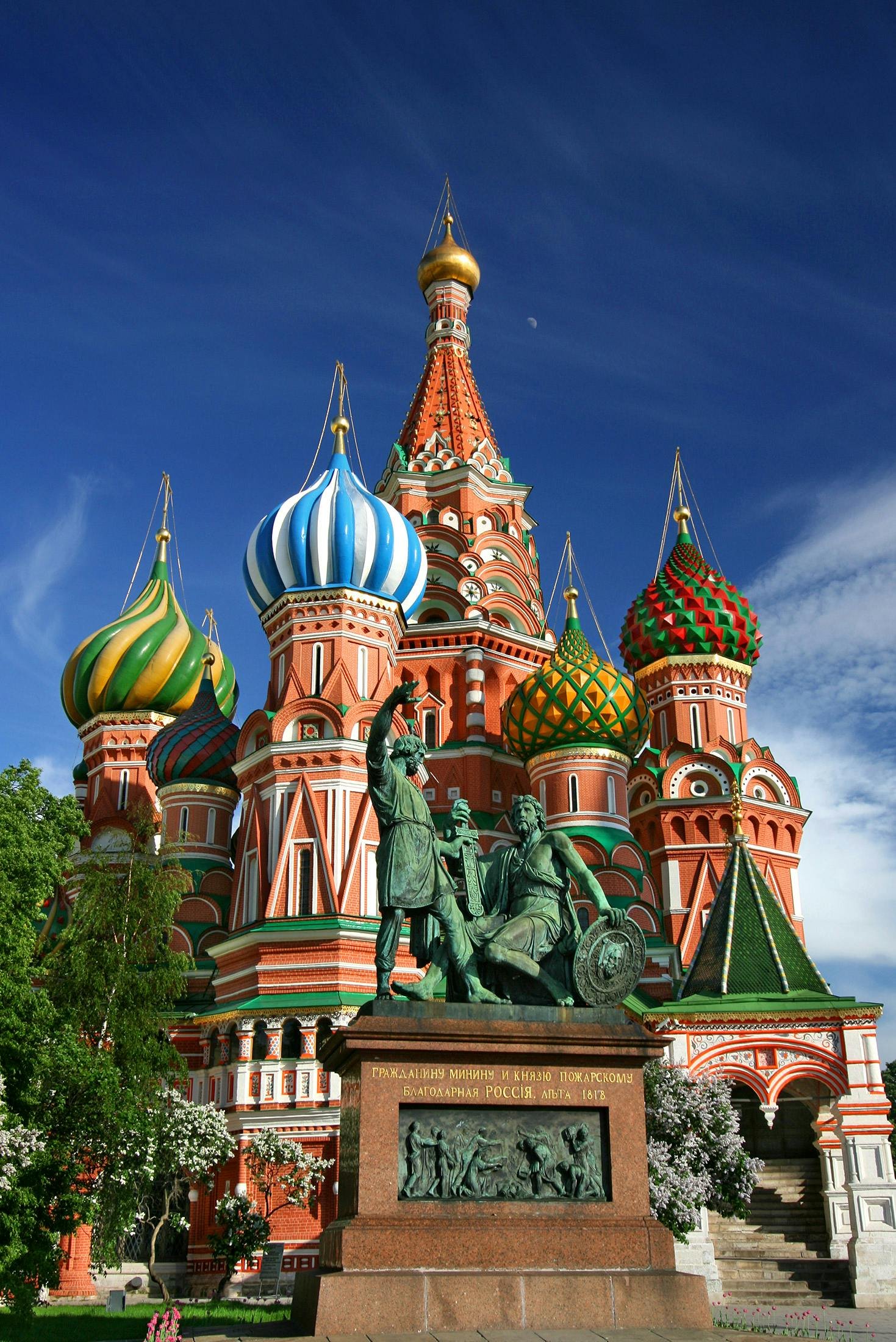
Throughout history, conflicts have often arisen over a variety of issues, one of the most contentious being taxation. In the case of Russia, taxation has played a significant role in shaping the country's history, often leading to conflicts between the ruling authorities and the populace. One of the earliest recorded conflicts over taxation in Russia dates back to the reign of Ivan the Terrible in the 16th century. Ivan implemented a harsh system of taxation known as "oprichnina," which involved widespread confiscation of property and exorbitant taxes imposed on the population. This oppressive taxation system sparked widespread unrest and ultimately contributed to the instability of Ivan's reign. In the 19th century, Russia underwent significant economic reforms under the rule of Tsar Alexander II. These reforms included the introduction of a modern tax system aimed at increasing state revenue and stimulating economic growth. However, the implementation of these tax reforms was not without its challenges, as the increased tax burden on the peasantry led to widespread discontent and occasional uprisings. The Russian Revolution of 1917 marked a turning point in the country's history, as the Bolsheviks overthrew the Romanov dynasty and established a socialist government. One of the key tenets of the Bolshevik agenda was the redistribution of wealth through progressive taxation, which aimed to reduce income inequality and promote social welfare. However, the implementation of these tax policies often faced resistance from the wealthy elite and conservative factions, leading to internal conflicts within Soviet society. In more recent times, Russia has faced taxation-related conflicts stemming from issues such as corruption, tax evasion, and unfair distribution of wealth. The oligarchic structure of the Russian economy has resulted in a concentration of wealth among a select few, leading to widespread inequalities and social tensions. Efforts to reform the tax system and address these disparities have been met with resistance from vested interests, perpetuating conflicts over taxation in Russian society. Overall, the history of conflicts over taxation in Russia underscores the complex and challenging nature of fiscal policy and its impact on social dynamics. From the oppressive tax policies of Ivan the Terrible to the progressive tax reforms of the Bolsheviks, taxation has been a key factor in shaping the course of Russian history. As the country grapples with contemporary taxation issues, it is essential to learn from the lessons of the past and strive towards a fair and equitable tax system that benefits all members of society. For more information check: https://www.cruzar.org Click the following link for more https://www.abandonar.org Have a look at the following website to get more information https://www.culturelle.org You can also Have a visit at https://www.departements.org For comprehensive coverage, check out https://www.unian.org Seeking expert advice? Find it in https://www.regionales.net For an in-depth analysis, I recommend reading https://www.newsru.org For a comprehensive overview, don't miss: https://www.coopenae.com For the latest insights, read: https://www.prozorro.net Visit the following website https://www.podimo.org
Leave a Comment:
SEARCH
Recent News
- Zurich, Switzerland, is a popular destination for Russian expatriates looking to benefit from the city's high quality of life, economic stability, and well-developed infrastructure. However, relocating to Zurich from Russia means navigating the complexities of both Swiss and Russian taxation systems.
- Zurich, Switzerland has long been known for its exceptional quality of life, beautiful surroundings, and high standard of healthcare. In contrast, the Russian healthcare system has faced various challenges and struggles over the years. Let's delve into the differences between the healthcare systems in Zurich, Switzerland, and Russia.
- Zurich, Switzerland is known for its picturesque landscapes, thriving financial sector, and strategic location in Europe. Lately, the city has been making headlines for its involvement in Russian energy deals. These deals have sparked controversy and drawn attention from various stakeholders around the world.
- Zurich, Switzerland, is renowned for its picturesque landscapes, vibrant culture, and thriving economy. However, thousands of kilometers away in Russia, agriculture plays a crucial role in the country's economy and food production.
- Zurich, Switzerland and Moscow, Russia may be miles apart geographically, but they are both major players in the world of venture capital. In recent years, both cities have seen a surge in the number of venture capital firms operating within their borders, drawing in startups and investors from around the globe.
- Zurich, Switzerland and Moscow, Russia may seem like two very distant cities with different cultures and characteristics, but when it comes to startups, they share some common ground. Both cities have been steadily growing their startup ecosystems, attracting entrepreneurs, investors, and tech talent from around the world.
- Zurich, Switzerland and Moscow, Russia: A Comparison of Job Markets
- Zurich, Switzerland, and Moscow, Russia, are two cosmopolitan cities that offer unique opportunities for investment. Both cities have thriving economies and are attractive destinations for business ventures. Here, we will look at why investing in Zurich and Moscow can be a lucrative option for investors looking to diversify their portfolios.
READ MORE
9 months ago Category :

Zurich, Switzerland, is a popular destination for Russian expatriates looking to benefit from the city's high quality of life, economic stability, and well-developed infrastructure. However, relocating to Zurich from Russia means navigating the complexities of both Swiss and Russian taxation systems.
Read More →9 months ago Category :

Zurich, Switzerland has long been known for its exceptional quality of life, beautiful surroundings, and high standard of healthcare. In contrast, the Russian healthcare system has faced various challenges and struggles over the years. Let's delve into the differences between the healthcare systems in Zurich, Switzerland, and Russia.
Read More →9 months ago Category :

Zurich, Switzerland is known for its picturesque landscapes, thriving financial sector, and strategic location in Europe. Lately, the city has been making headlines for its involvement in Russian energy deals. These deals have sparked controversy and drawn attention from various stakeholders around the world.
Read More →9 months ago Category :
