The Rise of Economic Nationalism in Moscow
Category : | Sub Category : Navigating Moscow export paperwork Posted on 2025-11-03 22:25:23
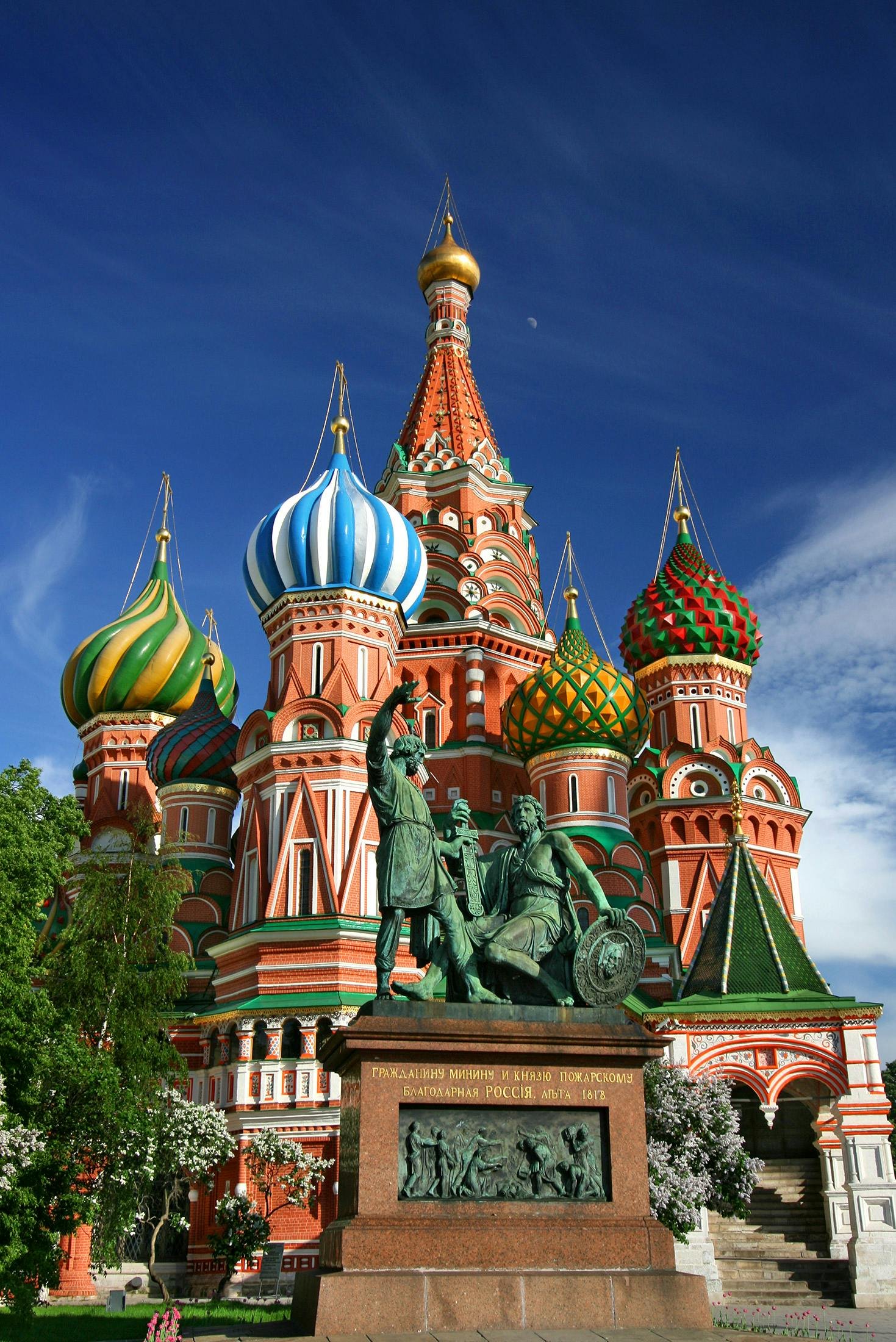
In recent years, Moscow has seen a growing embrace of economic nationalism as a response to global economic challenges and political tensions. Economic nationalism refers to government policies that prioritize domestic economic interests and seek to protect local industries from foreign competition. This shift towards economic nationalism in Moscow reflects a desire to assert economic independence and sovereignty in the face of increasing globalization. One of the key drivers of economic nationalism in Moscow is the desire to reduce dependence on foreign goods and services. By promoting domestic industries and encouraging consumers to buy local products, policymakers in Moscow aim to strengthen the city's economy and reduce vulnerability to external economic shocks. This focus on self-sufficiency is particularly important in sectors deemed strategically important, such as energy, defense, and technology. Another aspect of Moscow's economic nationalism is the prioritization of state-led development projects and investments. The government has taken steps to support domestic businesses through subsidies, preferential treatment in public procurement, and regulatory barriers to foreign competition. This protectionist approach is seen as a way to nurture local industries and create jobs for Moscow residents. Furthermore, economic nationalism in Moscow is closely linked to broader geopolitical concerns. Tensions with Western countries and the threat of economic sanctions have pushed policymakers to adopt more nationalist economic policies as a way to assert Moscow's sovereignty and reduce external influence on the city's economy. By promoting economic self-reliance, Moscow aims to insulate itself from external pressures and maintain its autonomy on the global stage. While economic nationalism has its benefits, there are also concerns about its potential negative impacts. Critics argue that protectionist policies can lead to inefficiencies, reduced competitiveness, and higher prices for consumers. Moreover, a heavy reliance on domestic industries could limit innovation and technological advancements that come from global cooperation. In conclusion, the rise of economic nationalism in Moscow reflects a desire to assert economic independence and protect local industries in the face of global challenges. By promoting self-sufficiency, fostering domestic businesses, and reducing external influence, policymakers in Moscow aim to strengthen the city's economy and safeguard its sovereignty. However, careful balancing of nationalist policies with global economic realities will be essential to ensure sustainable growth and prosperity for Moscow in the long run. For an in-depth analysis, I recommend reading https://www.indicazioni.com also click the following link for more https://www.cruzar.org Have a visit at https://www.abandonar.org Looking for expert opinions? Find them in https://www.culturelle.org also visit the following website https://www.departements.org To get a holistic view, consider https://www.unian.org To get a better understanding, go through https://www.regionales.net Seeking answers? You might find them in https://www.newsru.org To gain a holistic understanding, refer to https://www.prozorro.net
Leave a Comment:
SEARCH
Recent News
- Zurich, Switzerland, is a popular destination for Russian expatriates looking to benefit from the city's high quality of life, economic stability, and well-developed infrastructure. However, relocating to Zurich from Russia means navigating the complexities of both Swiss and Russian taxation systems.
- Zurich, Switzerland has long been known for its exceptional quality of life, beautiful surroundings, and high standard of healthcare. In contrast, the Russian healthcare system has faced various challenges and struggles over the years. Let's delve into the differences between the healthcare systems in Zurich, Switzerland, and Russia.
- Zurich, Switzerland is known for its picturesque landscapes, thriving financial sector, and strategic location in Europe. Lately, the city has been making headlines for its involvement in Russian energy deals. These deals have sparked controversy and drawn attention from various stakeholders around the world.
- Zurich, Switzerland, is renowned for its picturesque landscapes, vibrant culture, and thriving economy. However, thousands of kilometers away in Russia, agriculture plays a crucial role in the country's economy and food production.
- Zurich, Switzerland and Moscow, Russia may be miles apart geographically, but they are both major players in the world of venture capital. In recent years, both cities have seen a surge in the number of venture capital firms operating within their borders, drawing in startups and investors from around the globe.
- Zurich, Switzerland and Moscow, Russia may seem like two very distant cities with different cultures and characteristics, but when it comes to startups, they share some common ground. Both cities have been steadily growing their startup ecosystems, attracting entrepreneurs, investors, and tech talent from around the world.
- Zurich, Switzerland and Moscow, Russia: A Comparison of Job Markets
- Zurich, Switzerland, and Moscow, Russia, are two cosmopolitan cities that offer unique opportunities for investment. Both cities have thriving economies and are attractive destinations for business ventures. Here, we will look at why investing in Zurich and Moscow can be a lucrative option for investors looking to diversify their portfolios.
READ MORE
8 months ago Category :

Zurich, Switzerland, is a popular destination for Russian expatriates looking to benefit from the city's high quality of life, economic stability, and well-developed infrastructure. However, relocating to Zurich from Russia means navigating the complexities of both Swiss and Russian taxation systems.
Read More →8 months ago Category :

Zurich, Switzerland has long been known for its exceptional quality of life, beautiful surroundings, and high standard of healthcare. In contrast, the Russian healthcare system has faced various challenges and struggles over the years. Let's delve into the differences between the healthcare systems in Zurich, Switzerland, and Russia.
Read More →8 months ago Category :

Zurich, Switzerland is known for its picturesque landscapes, thriving financial sector, and strategic location in Europe. Lately, the city has been making headlines for its involvement in Russian energy deals. These deals have sparked controversy and drawn attention from various stakeholders around the world.
Read More →8 months ago Category :
