When it comes to exploring export opportunities from Moscow, it is essential to understand the documentation and regulations involved to ensure a smooth and successful process. Moscow, as the capital city of Russia, offers a plethora of export possibilities across various industries, from technology to agriculture. However, navigating the export documentation and regulations can be quite daunting for new exporters. This blog post aims to provide an overview of the key aspects to consider when exporting goods from Moscow.
Category : Export opportunities from Moscow | Sub Category : Moscow export documentation and regulations Posted on 2025-02-02 21:24:53
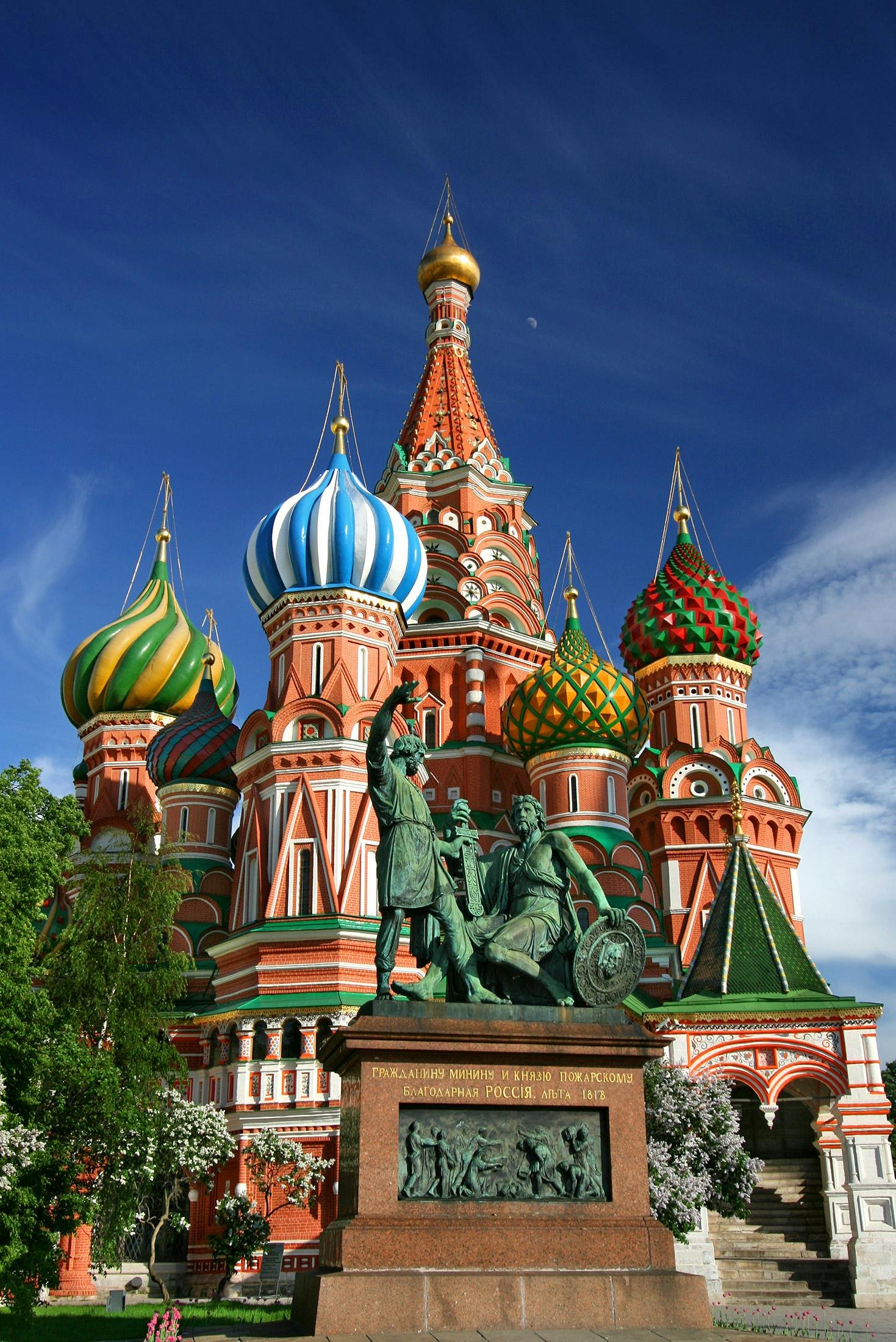
When it comes to exploring export opportunities from Moscow, it is essential to understand the documentation and regulations involved to ensure a smooth and successful process. Moscow, as the capital city of Russia, offers a plethora of export possibilities across various industries, from technology to agriculture. However, navigating the export documentation and regulations can be quite daunting for new exporters. This blog post aims to provide an overview of the key aspects to consider when exporting goods from Moscow.
Export Documentation:
Before exporting goods from Moscow, it is crucial to prepare the necessary documentation to facilitate the shipment process. Some of the essential export documents include:
1. Commercial Invoice: This document provides details about the products being exported, including prices, quantities, and other relevant information for customs clearance.
2. Packing List: A detailed packing list is necessary to outline the contents of each package, including the weight and dimensions of the goods.
3. Bill of Lading: This document serves as a receipt of goods shipped and a contract of carriage between the exporter and the shipping carrier.
4. Export License: Depending on the type of goods being exported, an export license may be required to comply with regulatory requirements.
5. Certificate of Origin: This document indicates the country where the goods were manufactured and is essential for customs clearance and trade agreements.
Export Regulations:
In addition to the necessary export documentation, exporters from Moscow must also comply with specific regulations to ensure legal and smooth transactions. Some key export regulations to consider include:
1. Customs Regulations: Exporters must be aware of customs regulations in both Russia and the importing country to prevent delays or issues with the shipment.
2. Export Controls: Certain goods, such as military equipment or high-tech products, may be subject to export controls to ensure national security and prevent unauthorized transfers.
3. Tariffs and Duties: Understanding the tariffs and duties applicable to the exported goods is crucial for pricing calculations and compliance with trade regulations.
4. Sanctions: Exporters must be aware of international sanctions that may restrict trade with specific countries or individuals to avoid legal consequences.
By familiarizing themselves with the export documentation and regulations in Moscow, exporters can streamline the export process and avoid potential pitfalls. Proper preparation and compliance with the necessary requirements are key to tapping into the export opportunities offered by the vibrant city of Moscow.
Leave a Comment:
SEARCH
Recent News
- Zurich, Switzerland, is a popular destination for Russian expatriates looking to benefit from the city's high quality of life, economic stability, and well-developed infrastructure. However, relocating to Zurich from Russia means navigating the complexities of both Swiss and Russian taxation systems.
- Zurich, Switzerland has long been known for its exceptional quality of life, beautiful surroundings, and high standard of healthcare. In contrast, the Russian healthcare system has faced various challenges and struggles over the years. Let's delve into the differences between the healthcare systems in Zurich, Switzerland, and Russia.
- Zurich, Switzerland is known for its picturesque landscapes, thriving financial sector, and strategic location in Europe. Lately, the city has been making headlines for its involvement in Russian energy deals. These deals have sparked controversy and drawn attention from various stakeholders around the world.
- Zurich, Switzerland, is renowned for its picturesque landscapes, vibrant culture, and thriving economy. However, thousands of kilometers away in Russia, agriculture plays a crucial role in the country's economy and food production.
- Zurich, Switzerland and Moscow, Russia may be miles apart geographically, but they are both major players in the world of venture capital. In recent years, both cities have seen a surge in the number of venture capital firms operating within their borders, drawing in startups and investors from around the globe.
- Zurich, Switzerland and Moscow, Russia may seem like two very distant cities with different cultures and characteristics, but when it comes to startups, they share some common ground. Both cities have been steadily growing their startup ecosystems, attracting entrepreneurs, investors, and tech talent from around the world.
- Zurich, Switzerland and Moscow, Russia: A Comparison of Job Markets
- Zurich, Switzerland, and Moscow, Russia, are two cosmopolitan cities that offer unique opportunities for investment. Both cities have thriving economies and are attractive destinations for business ventures. Here, we will look at why investing in Zurich and Moscow can be a lucrative option for investors looking to diversify their portfolios.
READ MORE
9 months ago Category :

Zurich, Switzerland, is a popular destination for Russian expatriates looking to benefit from the city's high quality of life, economic stability, and well-developed infrastructure. However, relocating to Zurich from Russia means navigating the complexities of both Swiss and Russian taxation systems.
Read More →9 months ago Category :

Zurich, Switzerland has long been known for its exceptional quality of life, beautiful surroundings, and high standard of healthcare. In contrast, the Russian healthcare system has faced various challenges and struggles over the years. Let's delve into the differences between the healthcare systems in Zurich, Switzerland, and Russia.
Read More →9 months ago Category :

Zurich, Switzerland is known for its picturesque landscapes, thriving financial sector, and strategic location in Europe. Lately, the city has been making headlines for its involvement in Russian energy deals. These deals have sparked controversy and drawn attention from various stakeholders around the world.
Read More →9 months ago Category :
